
Protect Your Investment: Why Rent Robin Encourages Kansas City Property Owners to Shop Insurance Every Year

Owning rental property in Kansas City can be a powerful way to build long-term wealth, but successful real estate investing involves much more than collecting rent each month. Property owners must continually monitor expenses, protect their assets, evaluate market conditions, maintain their properties, and look for opportunities to improve the overall financial performance of their investments. At Rent Robin Property Management, we work with Kansas City rental property owners and real estate investors every day, and one expense we believe deserves much more attention is property insurance. Insurance is necessary. Overpaying for it isn’t. As insurance premiums continue to put pressure on property operating expenses, Rent Robin encourages owners to make reviewing and shopping their insurance coverage an annual part of managing their investment portfolio. Simply allowing the same policy to renew year after year may be convenient, but convenience doesn’t necessarily equal good investment management. At Rent Robin, We Believe Every Expense Deserves Attention When Rent Robin evaluates the performance of a rental property, rent is only one side of the equation. What ultimately matters to an investor is how the property performs after expenses. Mortgage payments, property taxes, maintenance, repairs, vacancy, turnover expenses, utilities, capital improvements and insurance all affect the profitability of a rental property. Insurance can be particularly easy to overlook because increases often happen gradually. Imagine a Kansas City rental property generating $1,600 per month in rent. If the annual insurance premium increases from $1,800 to $2,300, the owner has just absorbed another $500 in annual operating expenses. Now multiply that across a portfolio. Five properties with similar increases could mean an additional $2,500 every year. That’s $2,500 that isn’t being invested into property improvements, reserves or additional acquisitions. It simply becomes another expense reducing the property’s cash flow. At Rent Robin, we encourage our owners to look at the complete financial picture. If an expense increases substantially, it deserves attention — and insurance should be no exception. Why Are Property Insurance Premiums Increasing? Even property owners who haven’t filed claims can experience significant insurance increases. The National Association of Insurance Commissioners notes that property insurance premiums may be affected by extreme weather, increasing construction and repair costs, inflation, litigation expenses and reinsurance costs. Kansas City property owners may also face insurance considerations related to the age and condition of their properties. An insurer may consider factors such as the roof, plumbing, electrical system, heating system, construction materials and other property-specific characteristics when determining risk and pricing. This is particularly important in the Kansas City rental market. Rent Robin manages and works with properties throughout the metro, where housing stock can vary tremendously. One investor may own a newer suburban rental while another owns a decades-old home in an established Kansas City neighborhood. Different insurance carriers may evaluate those properties — and their associated risks — differently. That’s one of the reasons Rent Robin believes it makes sense to shop the market rather than assume your current insurance company remains your best option. Your Renewal Notice Shouldn’t Automatically Mean “Renew” Insurance is one of the easiest investment expenses to put on autopilot. The renewal arrives. The premium gets paid. Another year passes. Then another. Before long, a policy that once seemed reasonably priced may have increased substantially. At Rent Robin, we encourage property owners to treat an insurance renewal as an opportunity to review rather than simply a bill to pay. Compare your new premium with last year’s premium. How much did it increase? Was it 5%? 10%? 20%? More? Then ask why. The Missouri Department of Commerce and Insurance encourages consumers who believe their insurance costs are too high to shop around, noting that Missouri has a competitive insurance marketplace. Rent Robin agrees with that approach. Loyalty to an insurance company shouldn’t prevent a real estate investor from periodically testing the market. Rent Robin Recommends an Annual Insurance Review Just as rental rates should periodically be evaluated against current Kansas City market conditions, insurance premiums should periodically be compared against current insurance options. Rent Robin recommends making an insurance review part of your annual investment property checklist. Don’t wait until your premium becomes painfully expensive. Once a year, contact your insurance professional and consider requesting additional quotes from other reputable carriers or independent insurance agents. An annual review should answer two basic questions: Am I still paying a competitive rate? and Do I still have the coverage necessary to properly protect my investment? Both questions matter. Saving money is important, but Rent Robin would never recommend choosing insurance solely because it has the lowest premium. Cheap insurance can become extremely expensive when a loss occurs and the coverage isn’t what you thought it was. Compare Coverage, Not Just Premiums When Rent Robin talks about shopping insurance, we aren’t suggesting that investors simply choose the lowest number on a page. Insurance policies aren’t necessarily apples-to-apples comparisons. One policy might cost several hundred dollars less but include a substantially higher deductible. Another may contain different exclusions, lower liability limits or different provisions regarding replacement cost. Investors should understand exactly what they’re purchasing. Important areas to discuss with your licensed insurance professional may include: Dwelling/property coverage Liability protection Deductibles Replacement cost versus actual cash value Loss-of-rent or loss-of-income protection Roof coverage and depreciation Wind and hail deductibles Water-related exclusions or limitations Vacancy provisions Other structures Owner-provided appliances Umbrella liability coverage For rental property owners, loss-of-rent coverage can be especially important. If a covered event makes a rental property uninhabitable for an extended period, the physical repairs may only be part of the financial impact. The investor could also lose months of rental income. Rent Robin encourages owners to discuss these scenarios with a qualified insurance professional so they understand how their individual policy would respond. Watch Your Deductible Increasing a deductible may lower an insurance premium, but Rent Robin encourages investors to think beyond the immediate savings. Suppose increasing your deductible from $2,500 to $5,000 saves several hundred dollars per year. Is that worthwhile? Maybe. But could you comfortably absorb that $5,000
Why Effective Tenant Screening Can Make the Difference Between Real Estate Investing Success and Costly Failure
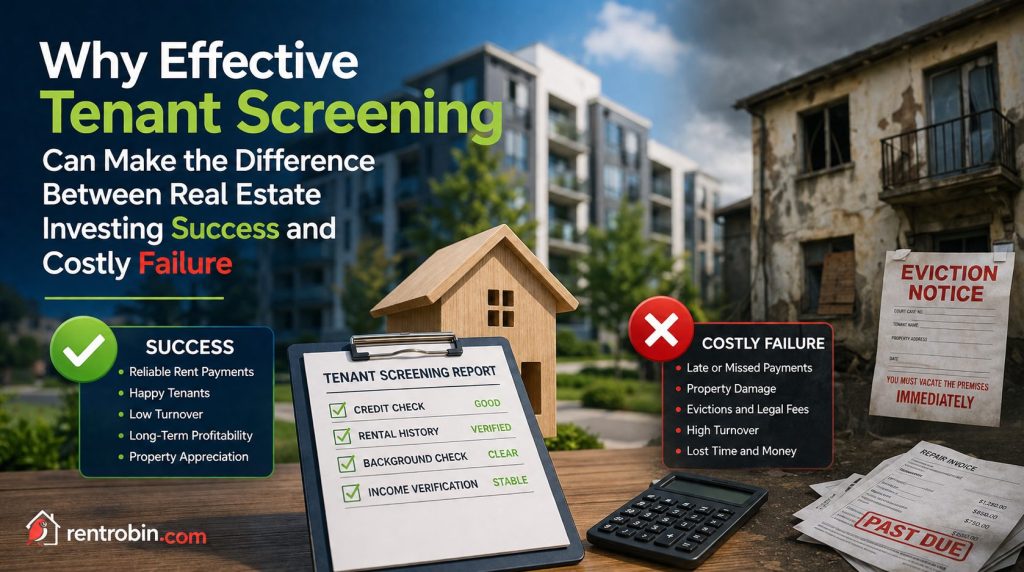
Real estate investing is often marketed as one of the best ways to build long-term wealth. Rental properties can generate monthly cash flow, appreciate over time, provide tax advantages, and create opportunities for portfolio growth. But while investors spend a great deal of time analyzing purchase prices, financing terms, rehab costs, and projected rental income, one of the most important factors in long-term success is sometimes underestimated: who you place in the property. At Rent Robin Property Management, we believe effective tenant screening is one of the most important safeguards a rental property owner has. A strong screening process does far more than simply fill a vacancy. It helps protect your cash flow, reduce your risk, preserve the condition of your property, minimize legal headaches, and support the long-term profitability of your investment. The truth is simple: the wrong tenant can turn a promising investment into a costly problem very quickly. Missed rent payments, lease violations, property damage, neighbor complaints, unauthorized occupants, repeated turnover, and expensive eviction proceedings can wipe out months—or even years—of profits. On the other hand, the right resident can provide stable income, take care of the home, communicate responsibly, and contribute to a smoother, more successful ownership experience. That is why tenant screening is not just an administrative step in the leasing process. It is a core investment protection strategy. In this blog, we will break down why tenant screening matters so much, how poor screening can hurt your bottom line, what effective tenant screening should include, and why working with a professional Kansas City property management company can help rental owners avoid costly mistakes. Why Tenant Screening Matters in Real Estate Investing Every investment property owner wants the same basic outcome: consistent rent collection, low vacancy, minimal damage, and strong long-term returns. Tenant screening plays a major role in all four. When you hand over the keys to a resident, you are not simply renting out a house or apartment. You are giving someone access to an asset that may be worth hundreds of thousands of dollars, and you are relying on them to meet a legally binding financial obligation every month. That decision should never be treated casually. A thorough screening process helps answer some of the most important questions a rental owner can ask: Does this applicant have a history of paying housing-related obligations on time? Is their income sufficient and stable enough to support the rent? Have they respected lease agreements in the past? Are there prior evictions or serious landlord disputes? Are there warning signs that suggest higher financial or behavioral risk? Does the application information appear accurate, complete, and verifiable? Without screening, or with a weak screening process, owners are essentially making a major business decision with incomplete information. In real estate investing, that is a dangerous way to operate. The Financial Cost of Placing the Wrong Tenant One of the biggest misconceptions in rental property investing is that a bad tenant only becomes a problem if they stop paying rent. In reality, the financial damage from poor tenant placement can show up in many different ways. 1. Lost rental income The most obvious cost is missed or late rent payments. If a tenant falls behind, the owner still has a mortgage, taxes, insurance, maintenance expenses, utilities, and other holding costs to cover. Even one or two months of nonpayment can disrupt cash flow. If the situation escalates into an eviction, the lost income can multiply quickly. 2. Property damage and deferred maintenance A poorly screened tenant may neglect the property, hide maintenance issues, violate lease terms, or cause avoidable damage. Minor issues can become major repairs when residents fail to report leaks, HVAC problems, plumbing concerns, or other maintenance needs in a timely manner. Intentional or careless damage can also significantly increase turnover costs. 3. Legal and court expenses Evictions are expensive. Filing fees, attorney fees, court costs, lockout coordination, unpaid rent balances, cleaning, repairs, and vacancy loss all add up quickly. Even when an owner ultimately regains possession of the property, the financial damage can be substantial. 4. Increased turnover and vacancy If a tenant is not a good fit from the beginning, the tenancy may be short-lived. High turnover means additional cleaning, repairs, marketing, showings, screening, lease preparation, and vacancy loss. Frequent turnover erodes profitability and creates unnecessary operational stress. 5. Neighborhood and reputation issues Problem tenants can create complaints from neighbors, violate HOA rules, disturb surrounding residents, or damage the reputation of a rental property. In multifamily settings, one poor placement can create tension with other residents and increase overall management challenges. 6. Time and emotional strain While this may not appear on a profit-and-loss statement, it matters. Chasing rent, managing conflict, responding to lease violations, dealing with court proceedings, and repairing a damaged property can be exhausting for owners—especially self-managing investors with other jobs, businesses, or family responsibilities. When you add up lost rent, legal fees, repairs, vacancy, and time, a single bad tenant decision can cost thousands of dollars. In some cases, it can be the difference between a profitable year and a major setback. Why “Just Filling the Vacancy” Is a Dangerous Strategy Vacancy can be stressful for any rental owner. Every day a property sits empty is a day without rental income. Because of that, some landlords feel pressure to place a tenant quickly just to get the property occupied and the cash flow restored. That mindset is understandable—but it can also be extremely costly. At Rent Robin Property Management, we believe the goal is not simply to fill a vacancy as fast as possible. The goal is to place the right tenant as efficiently as possible. A rushed leasing decision can create much bigger losses than a few extra days or weeks of vacancy. The wrong approach often sounds like this: “They
Why Political Involvement Matters in Kansas City Property Management and Housing Policy

When most people think about property management, they think about leasing, rent collection, maintenance, inspections, and resident communication. Those are all essential parts of managing rental property well. But there is another side of property management that often gets overlooked until a new ordinance is passed, a housing bill is introduced, or a regulatory change suddenly impacts how rental properties operate. That side is political involvement. At Rent Robin Property Management, we believe that housing professionals, property owners, investors, and real estate leaders should pay close attention to public policy and remain actively engaged in conversations that affect housing. Why? Because real estate and rental housing are deeply influenced by government decisions at the local, state, and national level. From landlord-tenant laws and property taxes to zoning, permitting, code enforcement, rental regulations, and housing incentives, politics directly affects the cost, availability, and long-term health of rental housing. And in recent years, one thing has become increasingly clear: politicians are becoming far more in tune with housing issues. Housing affordability, supply shortages, neighborhood revitalization, development barriers, and tenant protections are no longer fringe issues discussed only by industry insiders. They are central economic and community issues that affect employers, families, investors, municipalities, and entire regions. That growing awareness is important—and it is exactly why political involvement matters more than ever for those of us who work in real estate and property management every day. At Rent Robin, we are proud of our involvement with the Kansas City Regional Association of Realtors (KCRAR) Legislative Affairs Committee, because we believe staying engaged in housing-related policy discussions is part of being a responsible, informed, and forward-thinking property management company in Kansas City. Housing Policy Impacts Every Kansas City Rental Property Owner If you own rental property in Kansas City or anywhere in the metro, public policy affects your investment whether you realize it or not. Housing-related legislation and local regulations can influence: rental licensing and registration requirements landlord-tenant law and eviction procedures property tax burdens inspection standards and compliance rules development and redevelopment incentives zoning restrictions and land use decisions maintenance and habitability standards insurance and liability exposure affordability initiatives and housing funding priorities In other words, the business of owning and managing rental property does not operate in a vacuum. It operates within a legal and political framework that is constantly evolving. For property owners, that means staying politically aware is not just about ideology or civic interest—it is about protecting your investment, understanding market risks, and staying ahead of changes that could impact profitability and operations. For property managers, it means recognizing that our role goes beyond day-to-day logistics. We are also helping clients navigate a housing environment shaped by policy decisions that can affect everything from leasing timelines to operating expenses. Why Housing Has Become a Major Political Issue Over the last several years, housing has moved to the forefront of public policy conversations across the country, and Kansas City is no exception. There are several reasons for this. Housing affordability is a growing concern. As home prices, insurance premiums, property taxes, maintenance costs, and interest rates have increased, both renters and property owners have felt the pressure. Politicians are paying more attention to affordability because housing costs affect families, workforce mobility, and overall economic stability. Housing supply remains a challenge. Many communities are struggling with a shortage of available housing, particularly affordable and workforce housing. When supply is limited, prices rise, competition increases, and both renters and buyers feel the squeeze. Local and state leaders are increasingly looking for ways to encourage development, redevelopment, and housing preservation. Aging housing stock needs reinvestment. In many markets, including older neighborhoods throughout the Kansas City metro, aging housing inventory requires repairs, modernization, and ongoing investment. Lawmakers and local officials are paying closer attention to how code enforcement, redevelopment policy, and investment incentives affect neighborhood stability and housing quality. Housing is directly tied to economic growth. Employers need workers, and workers need housing they can afford within a reasonable distance of their jobs. When housing becomes scarce or unaffordable, it creates ripple effects throughout the local economy. Political leaders are increasingly aware that housing is not just a real estate issue—it is an economic development issue. Communities want balanced tenant and landlord protections. As more attention is placed on housing security and resident rights, policymakers are also examining landlord responsibilities, court processes, maintenance requirements, and rental regulations. These conversations are important, but they also need input from professionals who understand how housing actually functions in the real world. That is where political involvement becomes so important. Why Property Managers and Housing Providers Need a Voice The people who work in housing every day have a perspective that is critical to effective policymaking. Property managers understand the practical realities of operating rental housing. We know what it costs to turn a property, maintain systems, respond to emergencies, manage vendors, stay compliant, and keep homes market-ready. We understand how quickly small changes in regulation can create major administrative and financial burdens. We also understand that while good policy aims to solve problems, poorly structured policy can unintentionally create new ones. Rental property owners and investors bring another essential perspective. They understand the financial side of housing: taxes, insurance, capital improvements, vacancy risk, financing, cash flow, and return on investment. They know what encourages reinvestment in a neighborhood—and what discourages it. Residents, community advocates, local leaders, and municipalities also deserve a seat at the table. Their perspectives matter deeply. But effective housing policy requires input from all sides of the housing ecosystem, not just one. When property managers, landlords, Realtors, and investors are absent from policy discussions, decisions may be made without a clear understanding of the operational realities behind housing. That can lead to legislation or ordinances that sound good in theory but create unintended consequences in practice.
Meet Amy Johnson: The Heart Behind Owner Relations, Marketing, and Community Impact at Rent Robin

At Rent Robin, we believe property management is about more than managing homes—it’s about building relationships, creating trust, and helping property owners achieve their financial goals. Behind every successful partnership is a team member dedicated to providing exceptional service, and few embody that commitment more than Amy Johnson, Rent Robin’s Director of Owner Relations and Marketing. For nearly a decade, Amy has been an integral part of the Rent Robin team. Through her extensive experience in owner relations, marketing, bookkeeping, financial reporting, and property management operations, she has become one of the company’s most valuable resources for both property owners and colleagues alike. While Amy’s professional accomplishments are impressive, what truly sets her apart is her passion for helping people—whether that’s assisting a property owner with their investment portfolio, helping a prospective client understand the benefits of professional property management, or volunteering countless hours to support families impacted by blood cancer. Her story is one of dedication, compassion, leadership, and service. A Strong Educational Foundation Amy earned her Bachelor of Science degree in Business Management and Marketing, providing her with a solid foundation in strategic business operations, customer relations, finance, and marketing. Throughout her career, Amy has utilized this educational background to bridge the gap between business strategy and relationship management. Her ability to understand both the numbers behind an investment and the people behind the investment has made her particularly effective in the property management industry. At Rent Robin, she combines analytical thinking with creative problem-solving to help property owners maximize the performance of their investments while ensuring they receive clear communication and exceptional support. Nearly Ten Years of Growth at Rent Robin Amy joined Rent Robin nearly ten years ago and has served in a variety of roles throughout her tenure. Unlike many professionals who remain in one department, Amy has developed experience across numerous areas of the company. This broad exposure has given her a comprehensive understanding of every aspect of the property management process. Over the years, her responsibilities have included: Owner relations Property management bookkeeping Financial reporting Owner statement preparation Account reconciliation Marketing and advertising Leasing support Vendor coordination Client communication Portfolio management support Property performance reporting Community outreach Investor education Brand development This diverse experience allows Amy to understand property management from every angle. When an owner has questions about financial statements, Amy can explain them. When an investor wants insight into rental market trends, she can provide data and analysis. When a property owner needs help understanding how marketing impacts leasing performance, she can explain the strategy behind the process. Having worked in so many areas of the company, Amy understands how every piece of the property management puzzle fits together. Leading Owner Relations As Director of Owner Relations and Marketing, Amy serves as one of the primary points of contact for many of Rent Robin’s property owners. Her goal is simple: ensure every owner feels informed, supported, and confident in their investment. Property ownership can be rewarding, but it can also be stressful. Owners often have questions about rental rates, market conditions, maintenance expenses, lease renewals, property performance, and long-term investment strategy. Amy helps guide owners through those conversations every day. She believes communication is one of the most important aspects of successful property management. By providing timely updates, transparent information, and proactive support, she helps create strong relationships built on trust. Many property owners view their rental properties as a significant part of their financial future. Amy understands that responsibility and works diligently to ensure owners have the information they need to make informed decisions. Her approachable personality and commitment to service have made her a trusted resource for countless Rent Robin clients over the years. The Financial Side of Property Management One area where Amy’s experience particularly benefits property owners is bookkeeping and financial reporting. Property management is about much more than collecting rent. Accurate accounting, owner statements, vendor payments, maintenance tracking, and financial transparency all play critical roles in successful property ownership. Amy’s bookkeeping experience gives her unique insight into the financial side of investment properties. She has previously spent years working with owner statements, account reconciliation, vendor coordination, and property financial reporting. This knowledge allows her to help owners better understand the performance of their investments and how operational decisions can impact profitability. Because of her financial background within property management, Amy can often help bridge the gap between operational activity and financial outcomes. This expertise helps ensure owners receive accurate reporting and a clear understanding of how their properties are performing. Marketing Properties and Building the Rent Robin Brand Marketing is another area where Amy excels. With her degree in Business Management and Marketing, she brings a strategic approach to promoting both Rent Robin and the properties entrusted to the company. In today’s rental market, effective marketing is more important than ever. Quality photography, compelling property descriptions, pricing strategy, online visibility, and targeted advertising all contribute to attracting qualified tenants. Amy helps ensure properties are presented in a way that maximizes exposure and generates interest from prospective residents. She also plays a key role in educating property owners through newsletters, blogs, market updates, and communication campaigns that help investors stay informed about trends affecting the Kansas City rental market. A Passion for Community Service While Amy is deeply committed to her work at Rent Robin, she is equally passionate about giving back to the community. One organization that holds a special place in her heart is Blood Cancer United, formerly known as The Leukemia & Lymphoma Society. Today, Amy serves on the Executive Committee for the Kansas City area’s Light The Night campaign, one of the organization’s signature fundraising and awareness events. Her involvement goes far beyond attending meetings or helping with fundraising efforts. For Amy, this work is personal. Turning Loss Into Purpose Amy’s commitment to Blood Cancer United is rooted in experiences that changed her life forever. Several years ago, she lost her best friend, Michelle, to leukemia at just 36 years old. Michelle’s
Investment Properties and Maintenance: Why It’s Never Cheaper to Do It Over Than to Do It Right
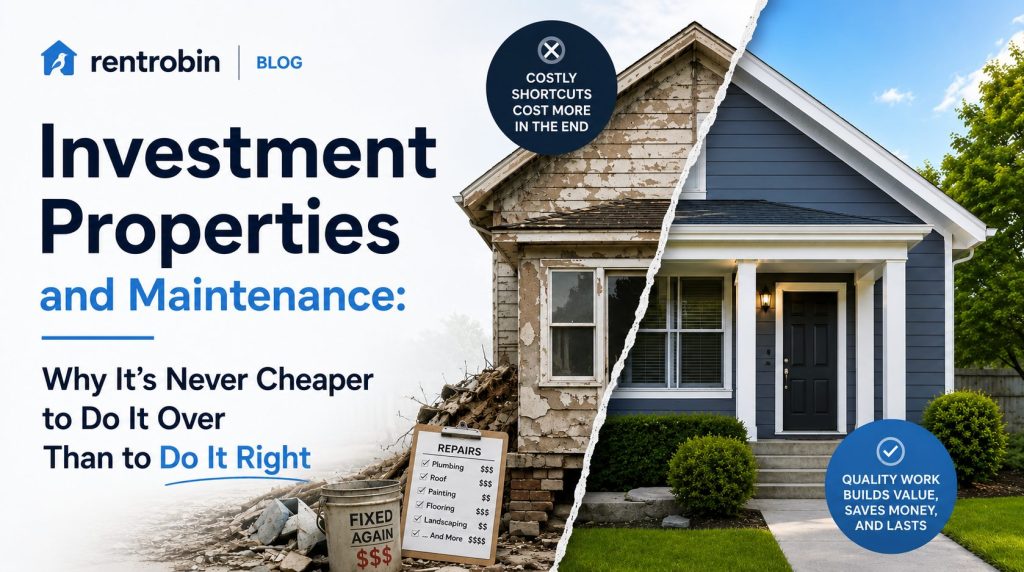
Owning investment property can be one of the most rewarding ways to build long-term wealth. Rental properties provide cash flow, appreciation, tax advantages, and opportunities to grow a real estate portfolio over time. However, one of the most common mistakes property owners make is viewing maintenance and repairs strictly as expenses rather than investments. At Rent Robin Property Management, we frequently encounter situations where property owners attempt to save money by selecting the cheapest repair option, delaying maintenance, or using temporary fixes instead of permanent solutions. While these decisions may reduce immediate costs, they often lead to significantly higher expenses down the road. The old saying remains true in property management: “There is never enough money to do it right the first time, but somehow there is always enough money to do it over.” Let’s explore why quality maintenance matters, how deferred repairs impact profitability, and why doing things correctly from the beginning protects both your property and your investment returns. The True Cost of Deferred Maintenance Many property owners assume postponing maintenance saves money. In reality, deferred maintenance almost always becomes more expensive. Consider a minor roof leak. A small repair today may cost a few hundred dollars. Ignore it for several months, however, and that same leak can result in: Damaged insulation Ceiling repairs Mold remediation Drywall replacement Flooring damage Tenant complaints Potential habitability issues What could have been a simple repair quickly turns into a multi-thousand-dollar project. The same principle applies to virtually every component of a rental property. Small problems rarely stay small. Common Examples of Deferred Maintenance HVAC Systems Skipping annual maintenance may save a small service fee. However, dirty coils, clogged filters, and neglected components force systems to work harder. The result? Higher utility consumption More service calls Reduced lifespan Premature system replacement A furnace or air conditioner that should last 15-20 years may fail after only 8-10 years due to neglect. Plumbing Issues A small drip under a sink seems harmless. Over time, however, it can lead to: Cabinet damage Flooring replacement Mold growth Structural deterioration The cost of replacing a faucet washer pales in comparison to replacing an entire kitchen cabinet system. Exterior Maintenance Ignoring peeling paint, damaged siding, or failing caulk can allow moisture intrusion into the structure. Water is often referred to as a property’s worst enemy because it causes: Rot Mold Insect infestations Foundation issues Structural damage A few tubes of caulk and routine maintenance can prevent thousands of dollars in future repairs. Cheap Repairs Often Become Expensive Repairs When faced with maintenance decisions, some investors focus solely on the lowest bid. While cost is certainly important, choosing a contractor based exclusively on price can be risky. Not all repairs are created equal. The Lowest Bid Isn’t Always the Best Value A contractor may offer a lower price because: Inferior materials are being used Workmanship standards are lower Necessary steps are omitted Warranty coverage is limited Licensing or insurance may be inadequate Unfortunately, when the repair fails six months later, the property owner often pays twice. The first repair cost is lost, and a second contractor must fix both the original issue and the poor workmanship. Temporary Fixes vs Permanent Solutions Many owners choose temporary fixes hoping to postpone larger expenses. Examples include: Patching instead of replacing deteriorated roofing sections Covering damaged flooring rather than correcting moisture problems Repairing failing plumbing repeatedly instead of replacing aging lines Painting over water stains instead of finding the leak Temporary solutions often create a cycle of recurring repairs. Over time, multiple service calls frequently exceed the cost of a proper repair completed initially. Tenant Retention Depends on Property Condition Maintenance isn’t just about preserving the building. It’s also about retaining quality tenants. Good tenants have options. They want to live in homes that are: Safe Functional Clean Well-maintained Professionally managed When maintenance requests are repeatedly delayed or repaired improperly, tenant satisfaction declines. The Cost of Tenant Turnover Many owners underestimate the financial impact of tenant turnover. Turnover expenses may include: Vacancy loss Marketing costs Leasing fees Cleaning Painting Repairs Utility expenses Even one month of vacancy can easily exceed the cost of many preventative maintenance items. A well-maintained property encourages tenants to renew leases and stay longer, reducing turnover costs and increasing profitability. Quality Maintenance Protects Property Value Investment properties are assets. Just as investors monitor stocks, retirement accounts, and business investments, rental property owners should actively protect their real estate assets. Property values are heavily influenced by condition. Potential buyers notice: Roof condition HVAC systems Plumbing quality Exterior appearance Flooring Kitchens Bathrooms Properties with extensive deferred maintenance often sell for significantly less than comparable homes that have been properly maintained. Appraisal Challenges Deferred maintenance can also impact refinancing and appraisal values. Appraisers frequently note: Damaged flooring Missing handrails Roofing concerns Water damage Safety issues These deficiencies can affect financing options and reduce overall property valuation. Protecting asset value requires ongoing investment in maintenance. The Financial Benefits of Preventative Maintenance Preventative maintenance is one of the most effective tools for maximizing return on investment. Instead of reacting to emergencies, proactive owners address issues before they become major problems. Benefits Include: Lower Repair Costs Small repairs are almost always less expensive than major renovations. Fewer Emergencies Emergency service calls often include: After-hours charges Weekend premiums Holiday rates Preventative maintenance reduces these unexpected expenses. Extended Equipment Life Routine servicing extends the lifespan of: HVAC systems Water heaters Appliances Roofing systems Plumbing fixtures Better Tenant Satisfaction Prompt maintenance improves resident retention and overall tenant experience. Higher Property Values Well-maintained homes command stronger rents and better resale values. Why Professional Property Management Matters Many property owners are experts in investing but not necessarily experts in property maintenance. This is where professional property management provides tremendous value. At Rent Robin Property Management, we understand the importance of balancing cost control with long-term asset preservation. Our approach includes: Vendor Relationships Over time, we develop relationships with trusted vendors who provide: Quality workmanship Competitive pricing Reliable service Professional communication
Realtor Safety in 2026: How Real Estate Professionals and Landlords Can Stay Safe During Sales and Rental Showings
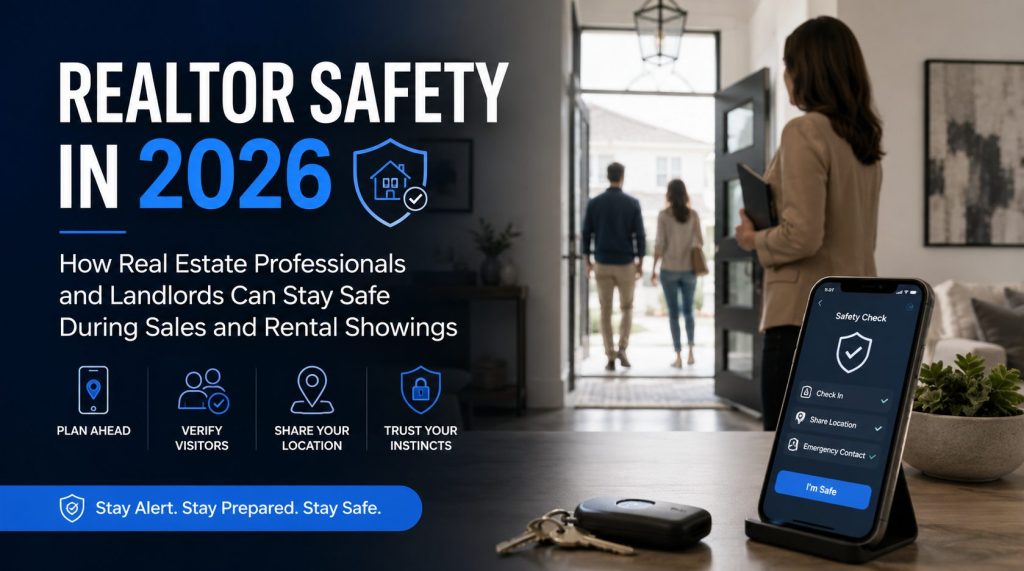
Real estate has always been a people-first business. Agents, leasing professionals, property managers, landlords, and investors spend much of their time meeting strangers, entering vacant properties, conducting private showings, and working in unpredictable environments. While helping clients find homes is rewarding, it also comes with very real safety concerns. In today’s world, safety during showings has become more important than ever. Technology has changed how the real estate industry operates. Online inquiries, social media advertising, self-guided tours, virtual applications, and digital communication platforms have created incredible convenience—but they have also created new vulnerabilities for real estate professionals landlord. Unfortunately, criminals sometimes target real estate agents, leasing agents, property managers, and landlords precisely because of the nature of the job. For rental professionals and landlords, the risks can be even greater due to high showing volume, frequent interactions with strangers, and rapid turnover environments. According to the National Association of REALTORS®, a growing number of real estate professionals landlord report concerns regarding personal safety while conducting business. Safety awareness has become a critical part of modern real estate operations. At Rent Robin Property Management, we believe safety preparation is not paranoia—it is professionalism. Whether you are showing luxury homes, managing rental properties, hosting open houses, conducting apartment tours, or overseeing investment properties, having safety systems in place protects both professionals and clients alike. Why Realtor, Landlord, and Leasing Agent Safety Matters More Than Ever Real estate professionals and landlords routinely place themselves in vulnerable situations without realizing it. Unlike many professions, agents often: Meet clients they have never seen before Work alone in empty properties Travel to unfamiliar neighborhoods Conduct business outside traditional office settings Rely heavily on personal cell phones and vehicles Criminals may view agents, landlords, and leasing professionals as easy targets because they often: Carry expensive phones, laptops, and tablets Have access to vacant homes Work independently Are distracted during client interactions The reality is simple: every showing should include a safety plan. Safety Starts Before the Showing One of the biggest mistakes real estate professionals and landlords make is focusing only on safety during the appointment itself. In reality, most safety strategies should begin long before the showing ever takes place. Verify Identities Before Meeting Anyone Whenever possible, verify who you are meeting before scheduling a showing. Best practices include: Requesting a valid photo ID Confirming phone numbers Checking social media presence Using verified rental applications Meeting first in a public office setting Professional screening protects everyone involved and helps reduce rental scams and fraudulent inquiries. Trust Your Instincts If something feels off, pay attention to it. Your safety matters more than a commission, lease, or showing appointment. If you feel uncomfortable, reschedule, bring another colleague, or decline the showing entirely. Never Conduct Blind Showings Blind showings—meeting someone with little or no information—are one of the highest-risk situations in real estate and property management. Whenever possible: Prequalify buyers Verify renters Obtain applications first Confirm identities beforehand This is not only smart business—it is smart safety. Rental Showing Safety Tips for Property Managers and Landlords Rental showings often involve higher volume and faster pacing than traditional home sales. Leasing professionals and landlords may conduct: Multiple daily showings Vacant property tours Self-guided access coordination Evening appointments Apartment walkthroughs Because of this, consistent safety procedures become especially important. Use Office-Based Showing Protocols Property management companies should implement standardized procedures such as: Visitor registration ID verification Appointment tracking Team calendars Check-in requirements These systems protect both employees and residents. Be Careful With Vacant Units Vacant properties can create additional risk because they: Lack witnesses May not have functioning security systems Can attract trespassing Often involve isolated environments Whenever possible: Avoid solo late-night showings Conduct tours during daylight hours Use buddy systems for isolated locations Inform coworkers of your schedule Limit Self-Guided Tour Vulnerabilities Self-guided tours have become increasingly common, but they require careful security planning. Property managers and landlords should: Rotate lockbox codes frequently Use verified identity platforms Monitor tour activity Restrict access windows Review security footage regularly Convenience should never outweigh safety. Open House Safety Tips for Realtors and Landlords Open houses can be particularly vulnerable because multiple strangers enter a property freely. Never Host an Open House Alone Having another agent, assistant, or colleague present improves: Visibility Accountability Emergency response capability Monitor Entry and Exit Points Keep track of who enters the property using: Sign-in sheets Digital registration tools Visitor tracking apps Secure Valuables Encourage sellers and landlords to remove: Jewelry Prescription medications Financial documents Electronics Open houses increase exposure to theft opportunities. Digital Safety for Real Estate Professionals and Landlords Modern real estate safety extends far beyond physical showings. Cybersecurity and digital privacy now play major roles in professional protection. Protect Personal Information Online Avoid posting: Your home address Real-time location updates Daily routines Vacation schedules Personal family details Beware of Fake Leads and Rental Scams Real estate professionals landlord are increasingly targeted by: Phishing emails Fake showing requests Fraudulent applications Wire fraud attempts Fake Zoom invitations Always verify suspicious communication before clicking links or sharing information. How This Adds Value to Rent Robin Property Management At Rent Robin Property Management, prioritizing safety is more than a precaution—it is part of delivering a higher standard of professional service. By implementing structured showing procedures, identity verification practices, communication protocols, and technology-driven safeguards, Rent Robin creates a more secure experience for property owners, residents, prospects, and team members alike. This commitment to safety adds value by helping reduce liability risks, protecting client assets, improving operational professionalism, and creating greater trust throughout the leasing and management process. Owners benefit from knowing their properties are being shown responsibly, while prospective tenants experience a more organized and professional interaction from the very first contact. In an increasingly digital and fast-paced real estate environment, companies that prioritize safety stand out. Rent Robin’s proactive approach demonstrates professionalism, preparedness, and long-term commitment to protecting both people and properties—qualities that strengthen client confidence and elevate the overall property management experience. Final Thoughts Real estate and property
Rental Licensing Laws in the Kansas City Metro: What Property Owners Need to Know
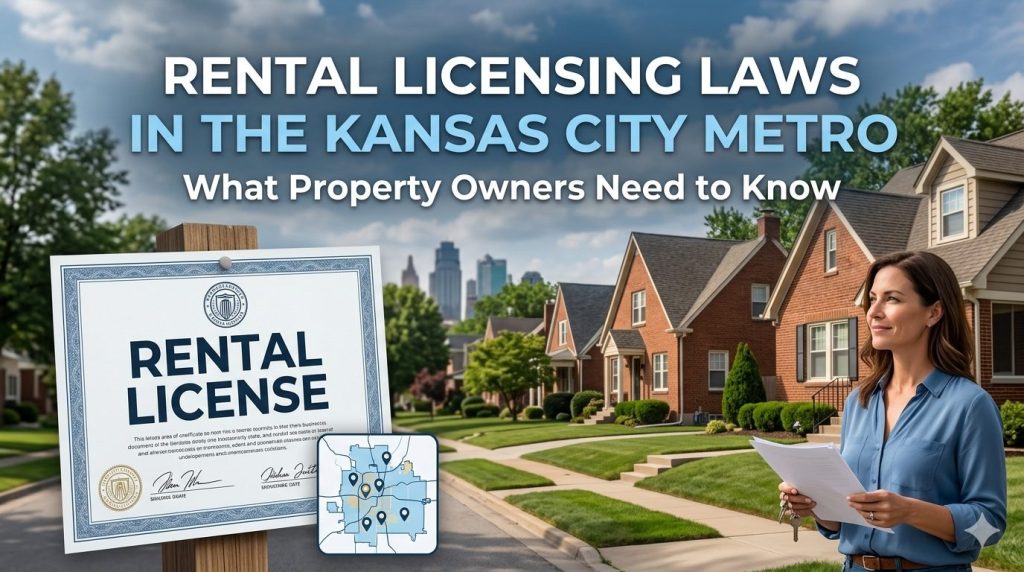
A Complete Guide from Rent Robin Property Management Investing in rental property across the Kansas City metro can be incredibly rewarding—but navigating local regulations is one of the biggest challenges property owners face. At Rent Robin Property Management, we work with investors every day who are surprised to learn just how much rental licensing laws vary between cities like Kansas City, MO and Kansas City, KS—and even between neighboring suburbs. This guide breaks down everything you need to know about rental licensing ordinances in the Kansas City metro, so you can stay compliant, avoid costly penalties, and protect your investment. Why Rental Licensing Matters for Kansas City Property Owners Before diving into specific cities, it’s important to understand why rental licensing exists. Local municipalities across the Kansas City metro use rental registration and licensing programs to: Ensure safe and habitable housing Hold landlords accountable Track rental property ownership Enforce property maintenance standards Failing to comply with rental licensing laws can result in: Hefty fines and penalties Delays in leasing your property Legal liability Loss of rental privileges Kansas City, Missouri Rental Licensing (Healthy Homes Program) If you own rental property in Kansas City, compliance is not optional—it’s required. Healthy Homes Rental Inspection Program Kansas City, Missouri requires all rental properties to be registered annually through its Healthy Homes program. Key Requirements: Annual registration for all rental units Applies to: Single-family homes Duplexes and multi-family properties Out-of-state investors Fees: $25 per unit annually $25 one-time application fee Inspections: The city conducts inspections focused on: Structural safety Plumbing and electrical systems Smoke and carbon monoxide detectors Sanitation and pest control What Rent Robin Recommends: At Rent Robin Property Management, we ensure every client property: Is properly registered Passes inspection the first time Avoids costly delays or violations Kansas City, Kansas Rental Regulations Rental laws in Kansas City are less centralized—but that doesn’t mean they’re lenient. Key Differences from Missouri Side: No universal annual rental license (in most cases) More complaint-driven enforcement Strong focus on property maintenance codes What This Means for Landlords: You may not need to register upfront—but you are still responsible for: Meeting housing standards Responding to violations Passing inspections if complaints arise Growing Trend: Like many metro areas, Kansas City, KS is moving toward stricter oversight and increased enforcement of housing standards. Rent Robin Tip: Even in areas without strict licensing, proactive compliance is key to avoiding tenant complaints and city enforcement. Rental Licensing in Surrounding Kansas City Suburbs Owning property in the Kansas City metro often means dealing with multiple municipalities—each with its own rules. North Kansas City, MO Free annual rental registration required Simple and administrative Independence Rental registration often required Inspections may apply Lee’s Summit No universal licensing Strong code enforcement Blue Springs Focus on occupancy and nuisance regulations Overland Park & Olathe Limited long-term rental licensing Emphasis on zoning and property standards Rent Robin Insight: The biggest challenge for investors?No two cities are exactly the same. Common Rental Licensing Mistakes (And How to Avoid Them) At Rent Robin Property Management, we’ve seen it all. Here are the most common mistakes investors make: 1. Assuming All Cities Have the Same Rules Each municipality has its own ordinances—compliance must be handled city-by-city. 2. Missing Annual Renewals Even in simple systems, registrations often expire yearly. 3. Failing Inspections Small maintenance issues can delay occupancy and cost money. 4. Incomplete Paperwork Missing documents can stall the entire leasing process. How Rent Robin Property Management Keeps You Compliant Navigating rental licensing laws across the Kansas City metro can be overwhelming—but that’s where we come in. At Rent Robin Property Management, we help property owners: Register rental properties correctly and on time Coordinate and pass inspections Track renewal deadlines Stay updated on changing local ordinances Avoid fines and legal issues Our goal is simple:Make owning rental property stress-free and profitable. Final Thoughts: Stay Ahead of Kansas City Rental Laws The Kansas City metro is one of the most promising real estate markets in the Midwest—but success depends on staying compliant. Kansas City requires structured, annual licensing Kansas City is more flexible—but evolving Suburbs vary widely in their requirements The bottom line?Understanding local rental ordinances isn’t optional—it’s essential. Need Help Navigating Rental Licensing in Kansas City? If you’re unsure whether your property is compliant—or just want a team to handle it for you—Rent Robin Property Management is here to help. Contact us today to ensure your investment is protected, compliant, and performing at its best. SEO Keyword Summary (for backend use) Kansas City rental licensing Kansas City landlord laws Missouri rental property regulations Kansas rental laws landlords Kansas City property management Rental inspections Kansas City MO Wyandotte County rental rules Johnson County Kansas rental laws Amy Johnson | Rent Robin LLC Info@RentRobin.com RentRobin.com 400 E. Red Bridge Rd, Ste 214KC, MO 64131 https://bit.ly/RentRobinGoogleReview
How to Identify a Good Investment Property

A Guide for Property Owners & Investors in Kansas City By Rent Robin Property Management | Kansas City, MO Investing in real estate can be one of the most powerful ways to build long-term wealth—but not all properties are created equal. The difference between a high-performing asset and a financial headache often comes down to knowing how to properly evaluate an investment before you buy. At Rent Robin Property Management, we work closely with property owners and investors across Kansas City and the surrounding areas, helping them maximize returns and avoid costly mistakes. Whether you’re a seasoned investor or just getting started, understanding how to identify a good investment property is key to your success. Let’s break down what truly makes a property worth your investment. 1. Location Still Reigns Supreme You’ve likely heard it before: location, location, location. It’s not just a cliché—it’s the foundation of real estate investing. In Kansas City, desirable locations often include proximity to: The KC Streetcar line Downtown / Power & Light District Crown Center and the Plaza Universities like UMKC and Rockhurst Growing suburban hubs like Lee’s Summit, Blue Springs, and Liberty A great location attracts quality tenants, reduces vacancy time, and supports long-term appreciation. What to Look For: Strong school districts Access to highways and public transportation Walkability and nearby amenities (restaurants, shopping, entertainment) Low crime rates and well-maintained neighborhoods Pro Tip: Even a slightly higher purchase price in a prime location can outperform a cheaper property in a less desirable area. 2. Cash Flow Potential: The Numbers Must Work A good investment property should generate positive cash flow—meaning the rental income exceeds your expenses. Key Expenses to Consider: Mortgage payment Property taxes Insurance Maintenance and repairs Property management fees Vacancy allowance Rule of Thumb: Many investors aim for the “1% Rule” (monthly rent equals ~1% of purchase price), but in markets like Kansas City, flexibility is key depending on neighborhood and property condition. Example: If you purchase a home for $200,000, you’d ideally want to rent it for around $2,000/month. While this isn’t always realistic, it provides a useful benchmark. At Rent Robin, we provide detailed rental analyses to help you understand exactly what your property can earn in today’s market. 3. Condition of the Property: Hidden Costs Matter A property might look like a great deal on the surface—but hidden repair costs can quickly eat into your returns. Watch for: Old roofs or HVAC systems Foundation issues Plumbing or electrical concerns Outdated interiors that may deter tenants While fixer-uppers can offer strong upside, they require careful budgeting and planning. Turnkey vs. Value-Add: Turnkey properties: Ready to rent immediately, lower risk, lower immediate ROI Value-add properties: Require updates, higher risk, but potential for increased rent and equity Pro Tip: Always factor in repair costs before making an offer—not after closing. 4. Strong Rental Demand Even the best property won’t perform if no one wants to rent it. Indicators of High Rental Demand: Low vacancy rates in the area High population growth Job expansion and economic development Nearby colleges, hospitals, or major employers Kansas City continues to grow, with strong rental demand driven by affordability and job opportunities. Areas near revitalization projects or expanding infrastructure often present excellent opportunities. 5. Tenant Appeal: Think Like a Renter Successful investors understand one thing: your property needs to appeal to tenants—not just you. Features That Attract Renters: Updated kitchens and bathrooms Open floor plans In-unit laundry Off-street parking or garages Fenced yards (especially for pet-friendly rentals) Outdoor living spaces (decks, patios) Properties that “feel like home” rent faster and often command higher rates. At Rent Robin, we often recommend strategic upgrades—like fresh paint, modern fixtures, or simple landscaping—that deliver strong ROI without over-improving the property. 6. Long-Term Appreciation Potential While cash flow is critical, appreciation plays a major role in building wealth over time. Look for Areas With: Planned developments Infrastructure improvements Increasing property values Neighborhood revitalization Kansas City has several emerging areas where investors are seeing strong appreciation alongside steady rental income. Pro Tip: Buy where the market is going—not just where it is today. 7. Risk Management & Diversification Every investment carries risk, but smart investors know how to minimize it. Consider: Diversifying across property types (single-family, duplexes, small multi-family) Avoiding over-leveraging Maintaining cash reserves for unexpected repairs or vacancies Duplexes and multi-family properties, in particular, can offer built-in risk mitigation—if one unit is vacant, the other still generates income. 8. The Power of Professional Property Management One of the most overlooked factors in a successful investment is how the property is managed after purchase. A great property can underperform with poor management—and an average property can thrive with the right team behind it. Benefits of Professional Management: Strategic pricing to maximize rent High-quality tenant screening Reduced vacancy time Efficient maintenance coordination Legal compliance and lease enforcement Consistent communication and reporting At Rent Robin Property Management, we don’t just manage properties—we partner with our owners to help them succeed. We provide: Expert rental market analysis Marketing that gets your property seen Reliable tenant placement Ongoing support and transparent communication 9. Run the Numbers—Then Run Them Again Before purchasing any investment property, it’s essential to analyze the deal thoroughly. Key Metrics to Evaluate: Cash flow Cap rate Return on investment (ROI) Cash-on-cash return If the numbers don’t work on paper, they won’t magically improve after closing. Pro Tip: Always be conservative in your estimates—overestimate expenses and underestimate rent to protect yourself. 10. Timing Matters Real estate is a long-term investment, but timing still plays a role in maximizing returns. Consider: Seasonal rental trends (spring and summer are typically strongest) Interest rates Market conditions For example, leasing a property just before the fall semester near universities like UMKC or William Jewell can significantly impact your rental success. Final Thoughts: Invest Smart, Not Just Fast A good investment property isn’t just about finding a deal—it’s about finding the right deal. By focusing on: Strong location Positive cash flow Tenant appeal Long-term growth Professional management —you can build a portfolio that generates consistent income and long-term wealth. Let Rent Robin Help You Make the Right Investment At Rent Robin
A Smart Wealth Strategy for Kansas City Investors

A Smart Wealth Strategy for Kansas City Investors By Rent Robin Property Management – Kansas City, Missouri Real estate has long been one of the most powerful tools for building wealth in America. But beyond appreciation and cash flow, one of the most compelling reasons investors turn to real estate is its ability to help shelter income and reduce overall tax liability. If you’re a property owner or aspiring investor in the Kansas City metro, understanding how real estate can strategically protect and grow your income could significantly change your long-term financial trajectory. Let’s break it down. What Does “Sheltering Income” Really Mean? Income sheltering refers to legally reducing taxable income through deductions, depreciation, and strategic investment structures. Real estate offers unique advantages because the IRS recognizes property ownership as a business — and businesses come with tax benefits. Unlike many traditional investments (like stocks or mutual funds), rental real estate allows investors to: That combination is rare — and powerful. Why Real Estate Is So Tax-Advantaged The U.S. tax code encourages real estate investment because housing is essential infrastructure. To incentivize ownership and development, investors receive several built-in advantages. Let’s explore the biggest ones. 1. Depreciation: The Silent Wealth Builder One of the most valuable tools available to rental property owners is depreciation. The IRS allows residential investment property owners to depreciate the structure (not the land) over 27.5 years. That means each year you can deduct a portion of the property’s value as a “loss” — even if the property is appreciating in the real world. Example: You purchase a rental property in Kansas City for $300,000.Let’s say $240,000 is allocated to the structure. $240,000 ÷ 27.5 years = $8,727 per year in depreciation deductions. That $8,727 reduces your taxable income annually — even if the property is cash flowing positively. In many cases, investors show minimal “taxable income” on paper while still collecting real cash flow. 2. Operating Expense Deductions Owning rental property means running a business. And businesses get deductions. Common deductible expenses include: For Kansas City investors working with a professional property management company like Rent Robin, management fees are fully deductible — and often more than pay for themselves in time saved and risk reduced. 3. Mortgage Interest Deduction In the early years of a mortgage, a large portion of your payment goes toward interest. That interest is deductible. This means leveraged real estate (using financing) can amplify tax advantages while allowing you to control a larger asset with less capital upfront. Strategic leverage + tax deductions = enhanced returns. 4. Cost Segregation (Advanced Strategy) For higher-value properties, investors sometimes use a strategy called cost segregation. This involves accelerating depreciation on certain components of the property (appliances, fixtures, flooring, etc.) rather than depreciating everything over 27.5 years. The result? Larger deductions upfront. While this requires coordination with a qualified CPA and cost segregation specialist, it can dramatically increase early-year income sheltering. 5. 1031 Exchanges: Deferring Capital Gains When you sell an investment property, you normally owe capital gains taxes. However, Section 1031 of the IRS tax code allows you to defer those taxes if you reinvest proceeds into another “like-kind” property. This strategy allows investors to: Many Kansas City investors use 1031 exchanges to transition from small single-family homes into duplexes, small multifamily properties, or higher-performing assets. 6. Pass-Through Deduction (QBI) Under the Qualified Business Income (QBI) deduction, many rental property owners may qualify to deduct up to 20% of their net rental income. This depends on income levels and how the rental business is structured, but it’s another example of how real estate ownership can create meaningful tax advantages. Always consult your CPA — but don’t overlook this opportunity. 7. Appreciation + Inflation Hedge While tax benefits are powerful, don’t forget the long-term wealth component. Kansas City has experienced steady appreciation over time due to: Real estate also acts as a hedge against inflation. As inflation rises: Your income potential grows while your largest expense remains stable. 8. Cash Flow vs. Taxable Income One of the most exciting aspects of real estate investing is the difference between cash flow and taxable income. Example: Rental Income: $24,000/yearExpenses + Mortgage Interest: $15,000Depreciation: $8,727 On paper, you may show little to no taxable income — yet you still collected real cash flow. That’s income sheltering in action. 9. Real Estate Professional Status (Advanced Investors) For investors heavily involved in real estate, qualifying as a Real Estate Professional under IRS guidelines can allow rental losses to offset active income (such as W-2 wages). This is a powerful strategy but requires strict documentation and time thresholds. If you or your spouse actively participate in real estate investing, this is worth discussing with a tax professional. Why Kansas City Is Ideal for Income-Sheltering Real Estate Kansas City offers a unique balance of affordability and rental strength. Compared to coastal markets: Neighborhoods throughout the metro — from Brookside to Northland to Lee’s Summit to Raytown — provide diverse investment opportunities depending on strategy and budget. Working with a local property management team ensures you: Smart management directly impacts your bottom line — and your tax strategy. The Role of Professional Property Management Income sheltering only works if your property performs. Vacancies, deferred maintenance, poor tenant screening, or legal missteps can erode returns quickly. Professional property management helps: At Rent Robin Property Management in Kansas City, our focus is helping investors maximize performance while reducing stress. We understand that real estate is not just about owning property — it’s about building strategic wealth. Important Reminder: Tax Advice Disclaimer While the strategies outlined above are widely used and legally supported, every investor’s situation is unique. Always consult: Before implementing advanced tax strategies. The key is planning — not reacting at tax time. Long-Term Wealth Perspective Real estate investing isn’t just about buying a property. It’s about building: When structured correctly, real estate can provide: Few investment vehicles offer that combination. Is Real Estate Right for You? Ask yourself: If you answered yes to several
Sheltering Your Income with Real Estate Investments

A Smart Wealth Strategy for Kansas City Investors By Rent Robin Property Management – Kansas City, Missouri Real estate has long been one of the most powerful tools for building wealth in America. But beyond appreciation and cash flow, one of the most compelling reasons investors turn to real estate is its ability to help shelter income and reduce overall tax liability. If you’re a property owner or aspiring investor in the Kansas City metro, understanding how real estate can strategically protect and grow your income could significantly change your long-term financial trajectory. Let’s break it down. What Does “Sheltering Income” Really Mean? Income sheltering refers to legally reducing taxable income through deductions, depreciation, and strategic investment structures. Real estate offers unique advantages because the IRS recognizes property ownership as a business — and businesses come with tax benefits. Unlike many traditional investments (like stocks or mutual funds), rental real estate allows investors to: That combination is rare — and powerful. Why Real Estate Is So Tax-Advantaged The U.S. tax code encourages real estate investment because housing is essential infrastructure. To incentivize ownership and development, investors receive several built-in advantages. Let’s explore the biggest ones. 1. Depreciation: The Silent Wealth Builder One of the most valuable tools available to rental property owners is depreciation. The IRS allows residential investment property owners to depreciate the structure (not the land) over 27.5 years. That means each year you can deduct a portion of the property’s value as a “loss” — even if the property is appreciating in the real world. Example: You purchase a rental property in Kansas City for $300,000.Let’s say $240,000 is allocated to the structure. $240,000 ÷ 27.5 years = $8,727 per year in depreciation deductions. That $8,727 reduces your taxable income annually — even if the property is cash flowing positively. In many cases, investors show minimal “taxable income” on paper while still collecting real cash flow. 2. Operating Expense Deductions Owning rental property means running a business. And businesses get deductions. Common deductible expenses include: For Kansas City investors working with a professional property management company like Rent Robin, management fees are fully deductible — and often more than pay for themselves in time saved and risk reduced. 3. Mortgage Interest Deduction In the early years of a mortgage, a large portion of your payment goes toward interest. That interest is deductible. This means leveraged real estate (using financing) can amplify tax advantages while allowing you to control a larger asset with less capital upfront. Strategic leverage + tax deductions = enhanced returns. 4. Cost Segregation (Advanced Strategy) For higher-value properties, investors sometimes use a strategy called cost segregation. This involves accelerating depreciation on certain components of the property (appliances, fixtures, flooring, etc.) rather than depreciating everything over 27.5 years. The result? Larger deductions upfront. While this requires coordination with a qualified CPA and cost segregation specialist, it can dramatically increase early-year income sheltering. 5. 1031 Exchanges: Deferring Capital Gains When you sell an investment property, you normally owe capital gains taxes. However, Section 1031 of the IRS tax code allows you to defer those taxes if you reinvest proceeds into another “like-kind” property. This strategy allows investors to: Many Kansas City investors use 1031 exchanges to transition from small single-family homes into duplexes, small multifamily properties, or higher-performing assets. 6. Pass-Through Deduction (QBI) Under the Qualified Business Income (QBI) deduction, many rental property owners may qualify to deduct up to 20% of their net rental income. This depends on income levels and how the rental business is structured, but it’s another example of how real estate ownership can create meaningful tax advantages. Always consult your CPA — but don’t overlook this opportunity. 7. Appreciation + Inflation Hedge While tax benefits are powerful, don’t forget the long-term wealth component. Kansas City has experienced steady appreciation over time due to: Real estate also acts as a hedge against inflation. As inflation rises: Your income potential grows while your largest expense remains stable. 8. Cash Flow vs. Taxable Income One of the most exciting aspects of real estate investing is the difference between cash flow and taxable income. Example: Rental Income: $24,000/yearExpenses + Mortgage Interest: $15,000Depreciation: $8,727 On paper, you may show little to no taxable income — yet you still collected real cash flow. That’s income sheltering in action. 9. Real Estate Professional Status (Advanced Investors) For investors heavily involved in real estate, qualifying as a Real Estate Professional under IRS guidelines can allow rental losses to offset active income (such as W-2 wages). This is a powerful strategy but requires strict documentation and time thresholds. If you or your spouse actively participate in real estate investing, this is worth discussing with a tax professional. Why Kansas City Is Ideal for Income-Sheltering Real Estate Kansas City offers a unique balance of affordability and rental strength. Compared to coastal markets: Neighborhoods throughout the metro — from Brookside to Northland to Lee’s Summit to Raytown — provide diverse investment opportunities depending on strategy and budget. Working with a local property management team ensures you: Smart management directly impacts your bottom line — and your tax strategy. The Role of Professional Property Management Income sheltering only works if your property performs. Vacancies, deferred maintenance, poor tenant screening, or legal missteps can erode returns quickly. Professional property management helps: At Rent Robin Property Management in Kansas City, our focus is helping investors maximize performance while reducing stress. We understand that real estate is not just about owning property — it’s about building strategic wealth. Important Reminder: Tax Advice Disclaimer Always consult: While the strategies outlined above are widely used and legally supported, every investor’s situation is unique. Before implementing advanced tax strategies. The key is planning — not reacting at tax time. Long-Term Wealth Perspective Real estate investing isn’t just about buying a property. It’s about building: When structured correctly, real estate can provide: Few investment vehicles offer that combination. Is Real Estate Right for You? Ask yourself: If you answered yes to several